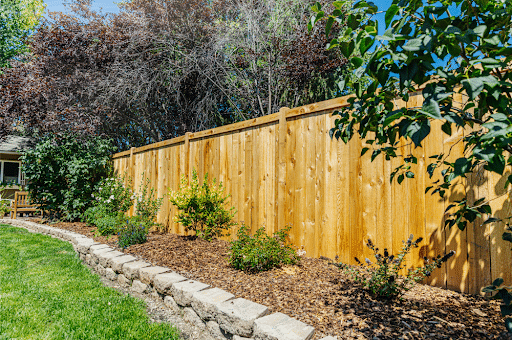
Transform Your Property with Butte Fence: Your Trusted Wood Fence Contractor
When it comes to property improvement, few enhancements rival the timeless allure and practicality of a well-constructed wood fence. Whether it’s for privacy, security, or

When it comes to property improvement, few enhancements rival the timeless allure and practicality of a well-constructed wood fence. Whether it’s for privacy, security, or
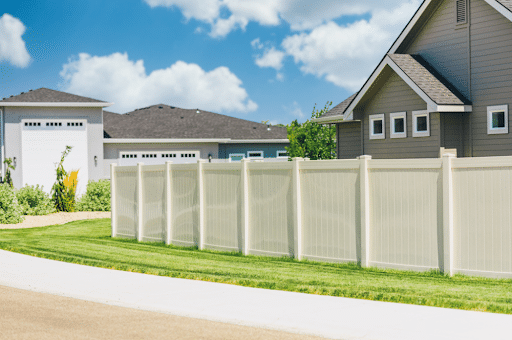
Enhance Your Property with Quality Fencing in Nampa, Idaho Nestled in the heart of the Treasure Valley, Nampa, Idaho, is renowned for its vibrant community,
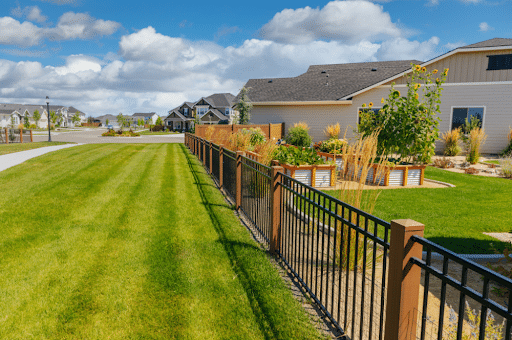
When it comes to enhancing the aesthetics, security, and functionality of your property in Idaho, a reliable and high-quality fence becomes a crucial investment. Butte
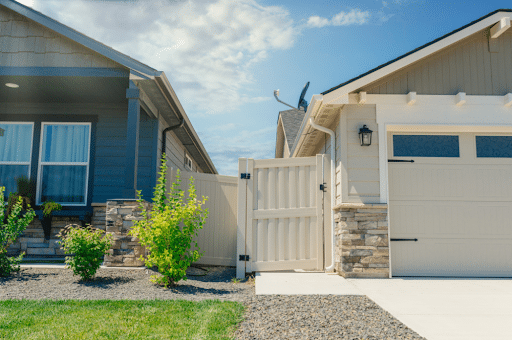
Butte Fence welcomes you to explore a world of top-tier fencing solutions in the Magic Valley, offering a diverse array of materials to elevate your
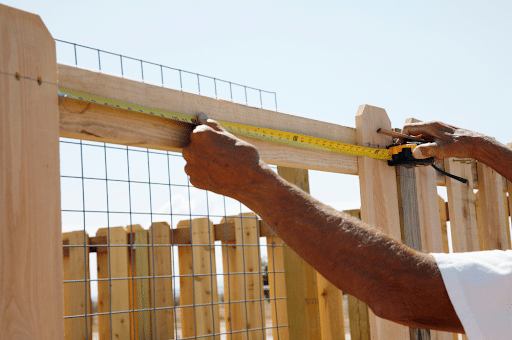
When it comes to enhancing your property’s security, privacy, and curb appeal, a well-constructed fence stands as a testament to your investment. Whether you’re a
When it comes to enhancing your property’s security, privacy, and aesthetic appeal, few investments are as impactful as a well-constructed fence. A fence not only
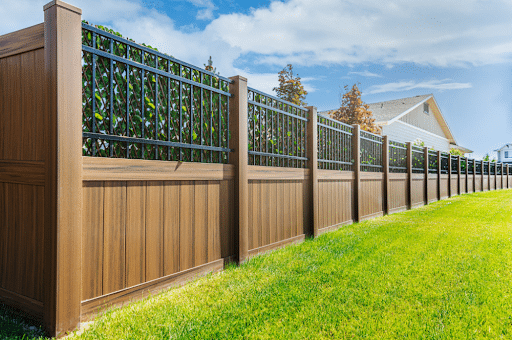
Welcome to the Butte Fence Blog – your source for all things fencing, property enhancement, and dream fences. We’re delighted to have you here as
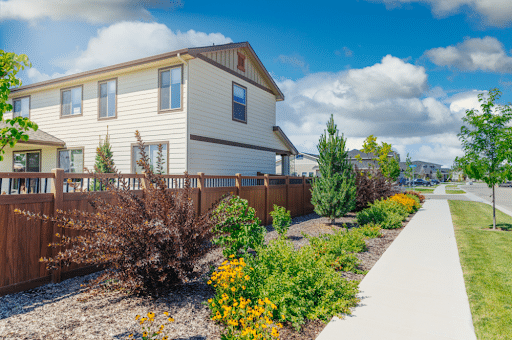
Welcome to Butte Fence in Kimberly, Idaho At Butte Fence, we take immense pride in serving the beautiful community of Kimberly, Idaho, with our top-notch

Are you looking to install a fence? Fences are an essential part of your home, and you can use them for more than just keeping
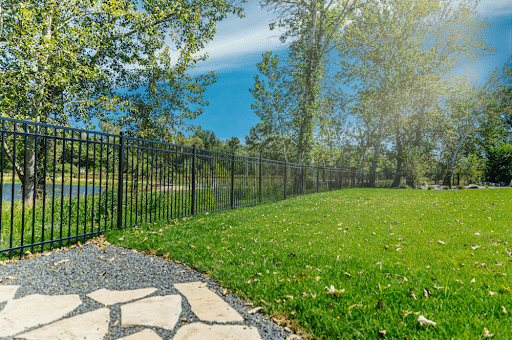
Welcome to the world of wrought iron fencing, where timeless elegance meets unwavering strength. At Butte Fence, we’re excited to be your trusted source for